
Water Plant Solar Project
Solar Solutions & Vital Utility Support
Sustainable Power for Vital Infrastructure
The Sakhawaht Trust is revolutionizing how aid reaches flood-stricken and remote regions by integrating solar technology into our water filtration systems. In areas where the power grid is unreliable or non-existent, our solar-powered plants provide a consistent, carbon-neutral energy source. This ensures that the delivery of clean water is never interrupted by fuel shortages or rising electricity costs, making the project truly self-sustaining.
Empowering Vulnerable Households
Beyond large-scale plants, this initiative extends directly into the homes of those who need it most. By installing solar solutions and assisting widows with their utility burdens, we alleviate the financial pressure of mounting energy bills. This strategic support allows families to redirect their limited resources toward essential food and medical needs, fostering a sense of security and dignity for the most vulnerable members of our community.
A Future-Proof Approach to Aid
Our commitment to solar energy is more than just an environmental choice; it is a long-term investment in community resilience. By utilizing renewable energy, Sakhawaht Trust ensures that the infrastructure we build today remains operational for decades to come. This “dynamic” approach to charity focuses on solving the root causes of poverty, providing underprivileged villages with the modern tools they need to thrive independently.
Other Projects
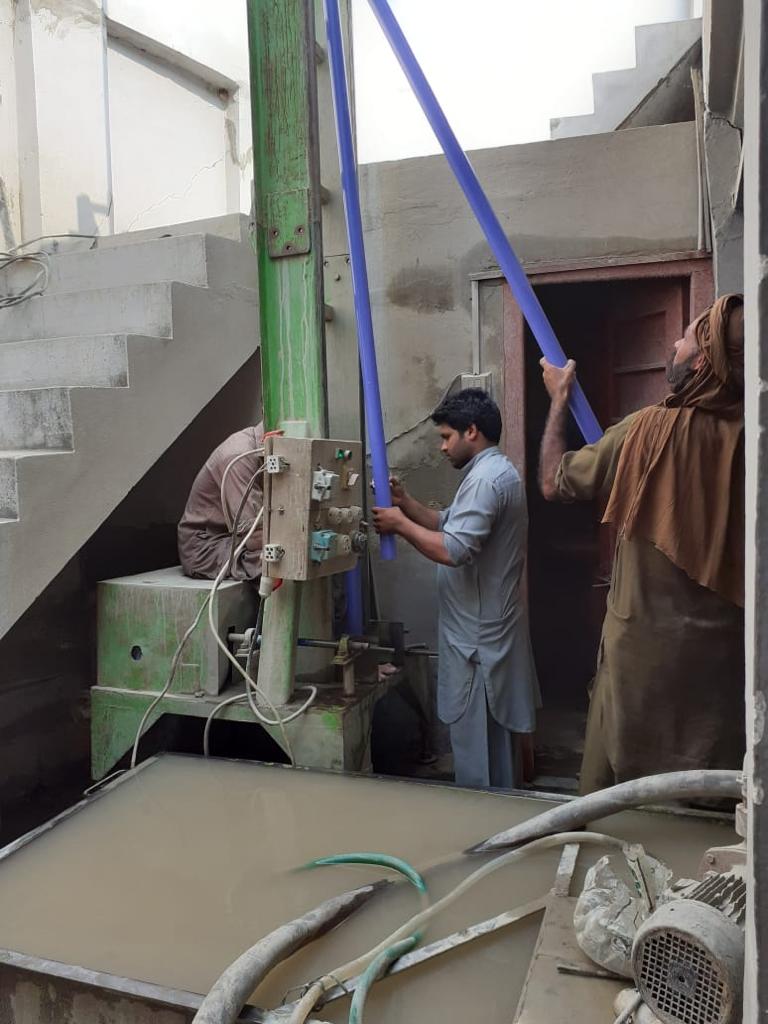
Clean Water Plant Project
Installing life-saving water pumps and filtration plants across flood-stricken regions like Dera Ismael Khan. We are committed to ending water scarcity and delivering a clean, safe supply to hundreds of villages.
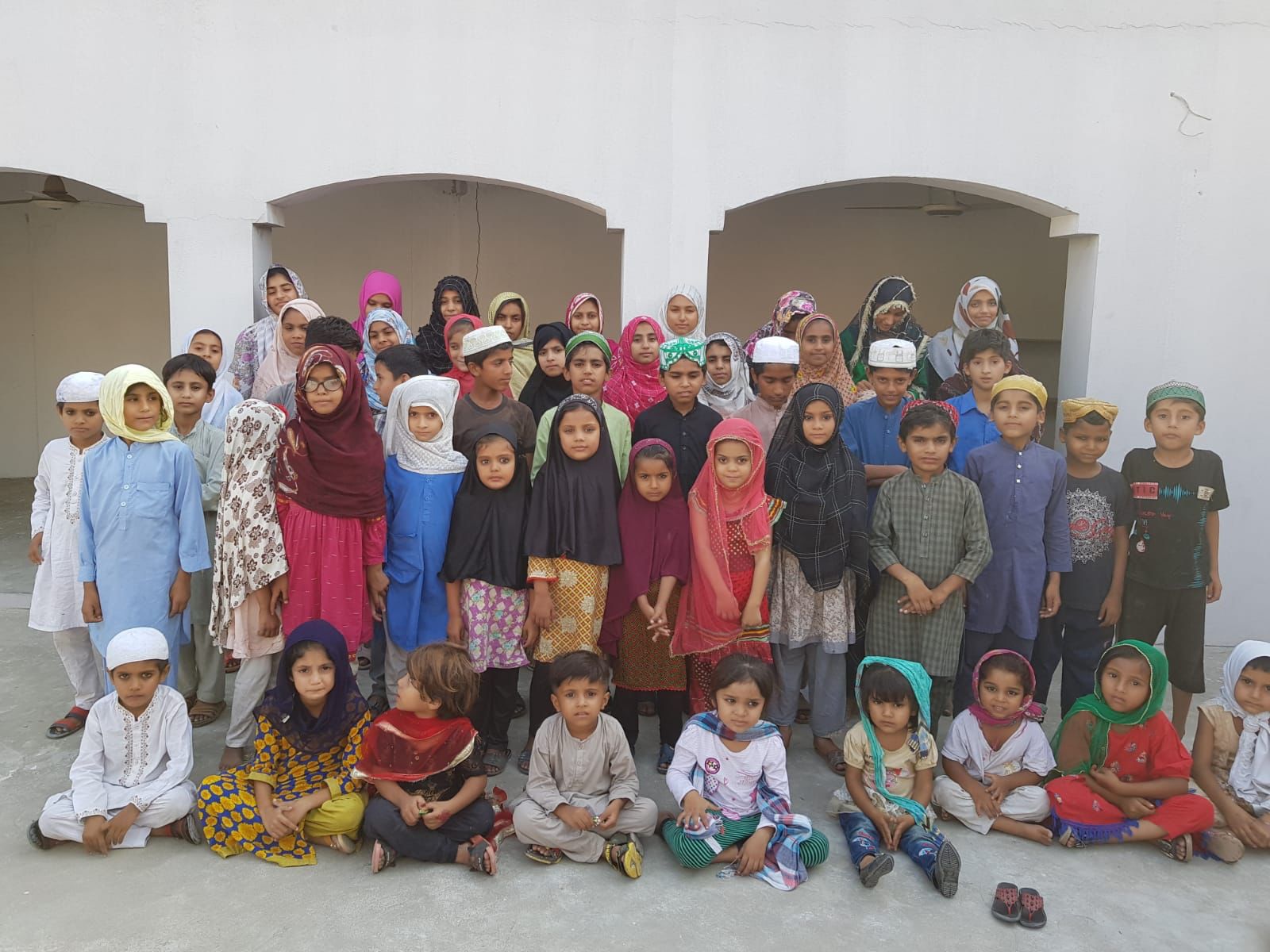
School Project – Education
Empowering over 300 students with essential literacy, vocational tailoring, and life skills for a self-sufficient future. From young children to the elderly, we provide the tools to turn education into local entrepreneurship.
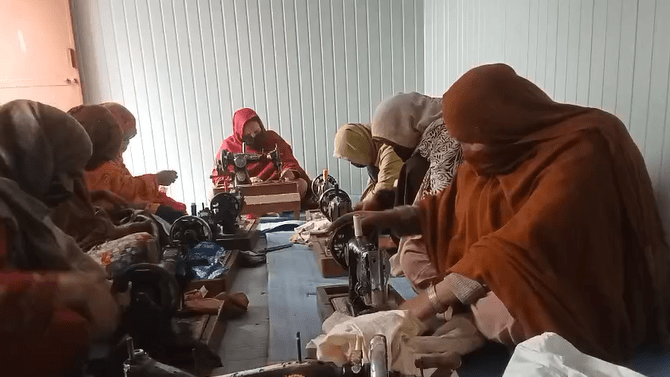
Sewing School Project
Providing women with professional tailoring skills and equipment to foster financial independence. This initiative transforms a traditional craft into a sustainable livelihood, allowing graduates to launch their own businesses and support their families.